其他

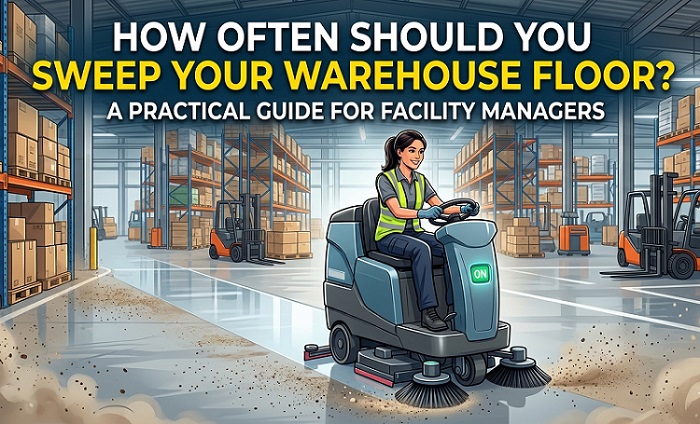
How Often Should You Sweep Your Warehouse Floor? A Practical Guide for Facility Managers

首页 博客

How Often Should You Sweep Your Warehouse Floor? A Practical Guide for Facility Managers

How Often Should You Sweep Your Warehouse Floor? A Practical Guide for Facility Managers
May 20, 2026

Keeping a warehouse floor clean is about more than appearances — it directly impacts workplace safety, equipment longevity, and operational efficiency. But how often should you actually run a floor sweeper through your facility? The answer isn't one-size-fits-all. It depends on traffic volume, the type of debris your operation generates, and industry-specific requirements.

Why Regular Sweeping Matters

Before diving into frequency, it's worth understanding why consistent sweeping is so important. A clean warehouse floor:

  • Reduces slip and fall risks — Dust, debris, and loose particles create hidden hazards that can cause accidents.
  • Protects equipment — Forklifts, pallet jacks, and other machinery operate less efficiently on dirty floors. Debris can damage tires, clog air filters, and accelerate wear on moving parts.
  • Improves air quality — Fine dust particles that accumulate on floors become airborne when disturbed by traffic. Regular sweeping with a quality industrial floor sweeper equipped with a proper filtration system keeps dust levels under control.
  • Extends floor life — Abrasive debris like gravel, metal shavings, and sand acts like sandpaper under foot and vehicle traffic, gradually wearing down floor coatings and concrete surfaces.
  • Enhances professionalism — Clean facilities make a positive impression on clients, inspectors, and employees alike.


Sweeping Frequency by Facility Type

Different types of warehouses have very different cleaning needs. Here's a practical breakdown:

High-Traffic Distribution Centers (30,000+ sq ft)

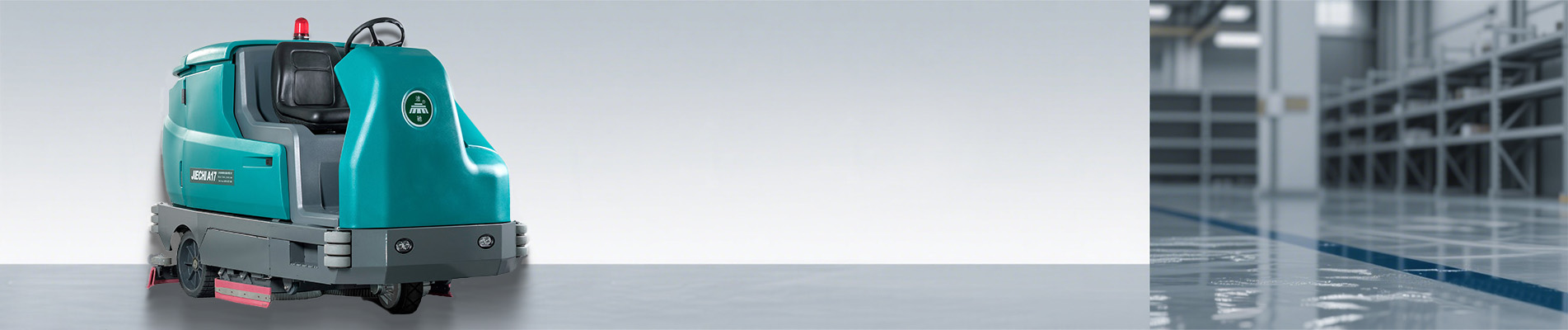
These facilities see constant forklift and foot traffic, with debris arriving daily via incoming shipments and outgoing orders. Sweeping should occur at least once per day, and in busier operations, twice daily — once mid-morning and once after the final shift. A ride-on floor sweeper is the most efficient choice here, as it can cover large areas quickly without taking operators away from other tasks for too long.

Manufacturing and Production Facilities

Workshops that generate metal shavings, wood dust, plastic pellets, or packaging waste need more frequent cleaning. Sweep at least 2–3 times per day, particularly around production lines and loading areas. Heavy debris should be cleaned up immediately to prevent it from being crushed into the floor by machinery.

Light Commercial Warehouses (under 20,000 sq ft)

Smaller facilities with lower traffic volumes can typically get by with sweeping every 2–3 days. A walk-behind floor sweeper is well-suited for this application, offering good results without the higher cost of a ride-on machine.

Cold Storage and Food-Grade Facilities

These environments have stricter hygiene requirements. Daily sweeping is mandatory, and many operators choose to sweep after each shift to prevent buildup of food particles that can attract pests. Look for a sweeper with a HEPA filtration system to capture fine dust without spreading contaminants.

Outdoor Areas and Loading Docks

Loading docks, parking lots, and exterior walkways collect leaves, gravel, and windblown debris. Sweep these areas 2–3 times per week, or more frequently if your location experiences seasonal debris like falling leaves or road salt in winter.


Signs You Need to Sweep More Often

No matter what schedule you set, pay attention to these warning signs that your current frequency isn't enough:

  • Visible dust buildup on surfaces within hours of cleaning
  • Employees tracking debris from one zone to another
  • Complaints about slippery or dusty floors
  • Frequent maintenance issues with forklifts or other equipment
  • Poor results from indoor air quality monitoring

If you notice any of these, increase your sweeping frequency — and consider whether your current floor sweeper is the right model for your debris load.


Choosing the Right Floor Sweeper for Your Schedule

Your sweeping frequency is only half the equation — your equipment needs to keep up. Here are a few tips:

  • For daily or twice-daily sweeping in large facilities → Invest in a high-capacity ride-on sweeper with a large hopper. You'll minimize trips to empty debris and maximize cleaning time.
  • For every-other-day sweeping in smaller spaces → A compact walk-behind sweeper offers flexibility and lower operating costs.
  • For facilities with fine dust concerns → Choose a sweeper with advanced filtration, such as a dust control system or HEPA filter.


Why Jiechi Floor Sweepers Are Built for the Job

At Jiechi Cleaning, we design our floor sweepers for real-world industrial and commercial conditions. Whether you need a rugged ride-on model for a busy distribution center or a nimble walk-behind sweeper for a workshop, our machines deliver consistent performance shift after shift.

Every Jiechi sweeper features:

  • Efficient sweeping systems that handle everything from fine dust to bulky debris
  • Reliable filtration to keep airborne particles under control
  • Durable construction built to withstand daily use in demanding environments
  • Easy maintenance with readily available spare parts


Not Sure What Sweeping Frequency Is Right for You?

Every facility is different, and the right schedule depends on your specific operations. Contact Jiechi today and our team can help you evaluate your cleaning needs — and recommend the right floor sweeper and maintenance routine to keep your warehouse safe, clean, and productive.

留言

留言
如果您对我们的产品感兴趣并想了解更多详细信息,请在此处留言,我们会尽快回复您。
提交

首页

产品

WhatsApp

接触